
Post
The Best Bed Frames for Back Pain Sufferers
Jun
The Best Bed Frames for Back Pain Sufferers
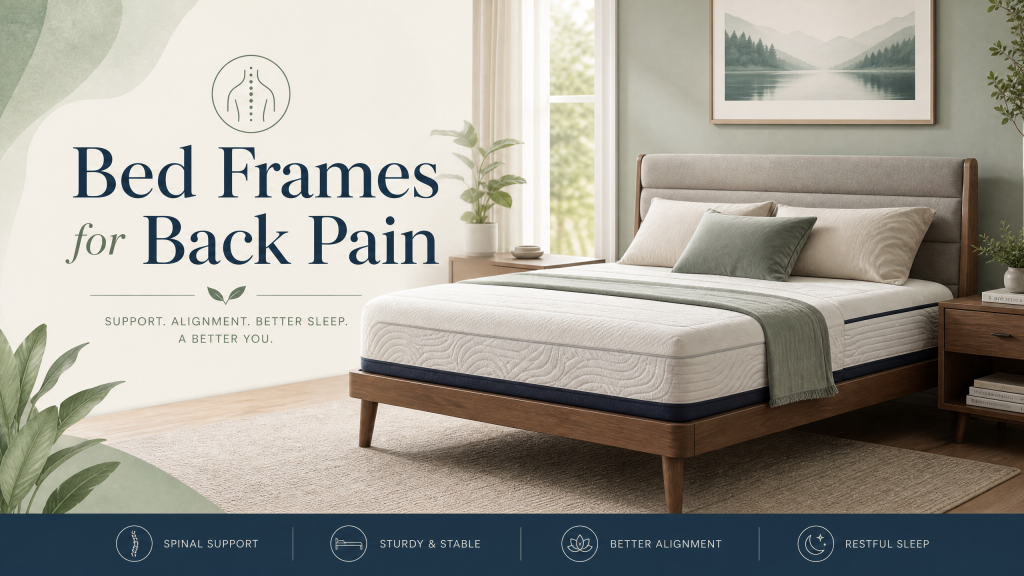
Back pain is one of the most prevalent health complaints in the world, affecting millions of people and significantly impacting their quality of life and sleep quality. While most discussions about back pain and sleep focus primarily on mattress selection, the bed frame itself plays a critically important and often overlooked role in spinal support and overall sleep quality. Choosing the right bed frame can make a meaningful difference in how you feel when you wake up each morning. This guide explores the best bed frame options for back pain sufferers and explains what to look for when making your selection.
Why the Bed Frame Matters for Back Pain
The bed frame provides the structural foundation upon which your mattress rests, and the quality of that support directly affects mattress performance. A frame with poor support can cause even the best mattress to sag prematurely, undermining the spinal alignment it was designed to maintain. Proper mattress support ensures that the sleeping surface remains flat and firm enough for the mattress to do its job of contouring to your body’s natural curves while keeping the spine in a neutral, healthy alignment throughout the night.
The Importance of Quality Slats
For back pain sufferers, the slat system of a platform bed frame is one of the most critical features to evaluate. High-quality bed frames designed to support spinal health use solid wood slats spaced no more than three inches apart, which provides even, consistent support across the entire mattress surface. Wider slat spacing allows the mattress to sag between the gaps, creating pressure points and undermining spinal alignment. Some premium frames for back pain sufferers use a solid plywood panel base instead of slats, which provides the most consistent and supportive surface possible.
Adjustable Bed Frames for Back Pain Relief
Adjustable bed bases deserve special attention for back pain sufferers, as they offer the greatest flexibility in customizing your sleeping position to find what works best for your specific type of back pain. The zero-gravity position, which elevates the head and knees to create a position similar to floating in zero gravity, takes pressure off the lumbar spine and can provide dramatic relief for many sufferers of lower back pain. This position reduces the compressive forces on intervertebral discs and allows the paraspinal muscles to fully relax, promoting deeper, more restorative sleep.
Platform Beds with Solid Support
Platform beds are often recommended for back pain sufferers because they provide a stable, firm foundation that supports the mattress evenly. For back pain relief, choose a platform bed with a closely spaced slat system, ideally with slats no more than two to three inches apart. The overall height of the platform is also important; a bed that positions the sleeping surface at knee height makes it much easier to sit on the edge of the bed and rise to a standing position, which is beneficial for those with lower back or hip pain that is aggravated by getting in and out of bed.
Frame Features That Provide Additional Support
Several frame features specifically benefit back pain sufferers. Look for frames with a center support system, particularly for larger bed sizes. A queen or king bed without adequate center support will cause the mattress to sag in the middle, creating a hammock-like depression that pulls the spine out of alignment. Center support legs that extend from a cross beam to the floor provide the necessary additional reinforcement. Some premium frames include adjustable center support beams that can be fine-tuned to the optimal height for the mattress being used.
Bed Height Considerations
The height of your bed is an ergonomic factor that significantly affects back health. A bed that is too low forces you to bend deeply from the hips to sit on the edge and requires significant effort to rise from, straining the lower back and hips. A bed that is too high requires you to hop up to get into bed and can be difficult to exit safely, particularly if mobility is limited. For most adults with back pain, a bed height that positions the top of the mattress at knee height when standing provides the ideal ergonomic balance for safe and comfortable getting in and out of bed.
Headboard Support for Reading and Elevation
For back pain sufferers who spend time reading or watching television in bed, a well-designed headboard that provides proper support when sitting up is important. A padded upholstered headboard provides a comfortable surface to lean against, while a solid wooden headboard with a flat surface allows for the use of a reading pillow or bed wedge for proper lumbar support. Avoid headboards with deep carved relief patterns or irregular surfaces that make it difficult to achieve a comfortable, supported seated position.
Recommended Bed Frame Types
Several bed frame styles stand out as excellent choices for individuals dealing with back pain. Adjustable bed bases provide unmatched customization and are often considered the gold standard for pain relief. Platform beds with reinforced slats offer firm and even support that helps maintain proper spinal alignment. Storage beds with solid platform tops can also provide exceptional support while adding valuable organization space to the bedroom. When selecting any frame type, prioritize structural stability and mattress compatibility over purely decorative features.
Choosing the Right Material
The material of your bed frame contributes to both its durability and support characteristics. Solid hardwood frames made from oak, maple, walnut, or beech are highly regarded for their strength and longevity. Steel bed frames offer excellent load-bearing capacity and are resistant to warping or shifting over time. Whichever material you choose, ensure that the frame includes strong joinery, reinforced corners, and sufficient center support to prevent movement and mattress sagging.
Pairing Your Bed Frame with the Right Mattress
Even the most supportive bed frame cannot compensate for an unsuitable mattress. Memory foam, latex, and hybrid mattresses generally perform best on platform and adjustable bases because they can contour to the body while maintaining consistent support. Always verify the mattress manufacturer’s support requirements before making a purchase. A properly matched mattress and bed frame combination can significantly improve comfort, reduce pressure points, and help alleviate chronic back pain symptoms.
Conclusion
For back pain sufferers, the right bed frame is not merely an aesthetic choice but a genuine health investment. By prioritizing strong, even mattress support, appropriate bed height, quality construction, and considering the benefits of an adjustable base, you can create a sleeping environment that actively supports spinal health and helps you wake up feeling rested and pain-free. Explore our curated selection of bed frames specifically recommended for back pain relief, and let our sleep specialists help you find the perfect foundation for better sleep and a healthier back.
