
Post
Eco-Friendly Beds: Sustainable Choices for Conscious Consumers
Jun
Eco-Friendly Beds: Sustainable Choices for Conscious Consumers
As environmental awareness continues to grow around the world, more consumers are paying closer attention to the products they bring into their homes. From energy-efficient appliances to sustainably sourced furniture, every purchasing decision has the potential to contribute to a healthier planet. One area that often goes overlooked is the bedroom. Considering that the average person spends nearly one-third of their life sleeping, the bed you choose can have a significant impact not only on your comfort and health but also on the environment.
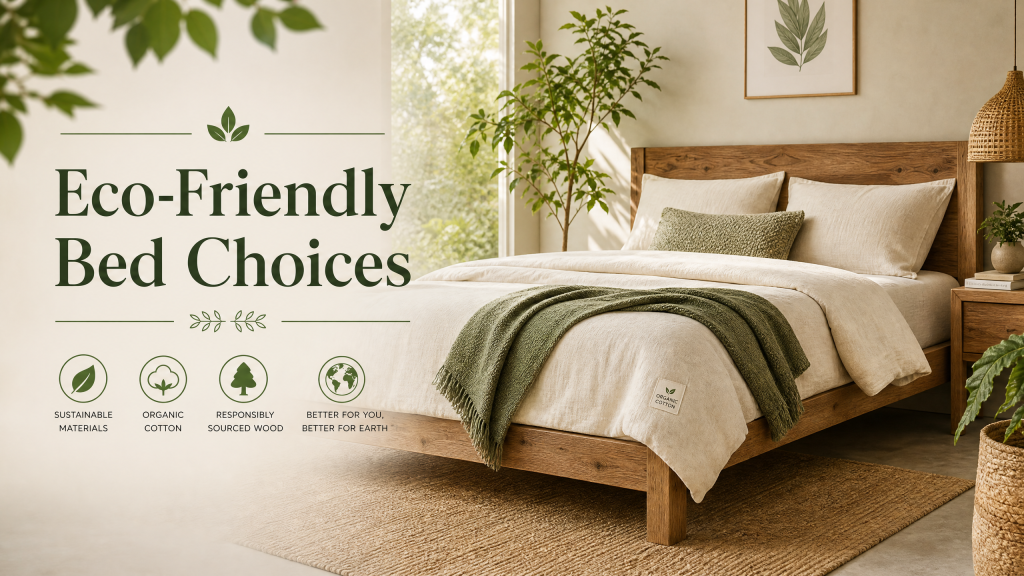
Eco-friendly beds have become increasingly popular in recent years because they combine sustainability, durability, and modern design. Unlike conventional bed frames and mattresses that may contain synthetic materials, harmful chemicals, and unsustainable resources, eco-friendly alternatives focus on responsibly sourced materials, non-toxic finishes, and environmentally conscious manufacturing processes. Whether you are furnishing a new home, upgrading your bedroom, or simply looking for ways to reduce your environmental footprint, investing in a sustainable bed can be a smart and rewarding choice.
Why Choose an Eco-Friendly Bed?
The benefits of choosing an eco-friendly bed extend far beyond environmental responsibility. Traditional furniture manufacturing often relies on chemically treated wood, synthetic foams, adhesives, and finishes that release volatile organic compounds (VOCs) into the air. These compounds can negatively affect indoor air quality and may contribute to respiratory irritation, headaches, and other health concerns.
Eco-friendly beds are designed with healthier materials and cleaner manufacturing methods. Many are made using natural wood, organic fabrics, water-based finishes, and renewable resources that minimize harmful emissions. By selecting a sustainable bed, you can create a cleaner sleeping environment while supporting companies that prioritize responsible production practices.
In addition to health benefits, sustainable beds often offer superior craftsmanship and longevity. High-quality materials tend to last longer, reducing the need for frequent replacements and minimizing waste over time.
Sustainably Sourced Wood Frames
Wood remains one of the most popular materials for bed frames due to its natural beauty, durability, and versatility. However, the environmental impact of wood furniture depends heavily on how the timber is sourced. Sustainable forestry practices help ensure that forests remain healthy and productive for future generations.
One of the best indicators of responsible sourcing is Forest Stewardship Council (FSC) certification. FSC-certified wood comes from forests managed according to strict environmental, social, and economic standards. These standards help protect wildlife habitats, maintain biodiversity, and support local communities.
Popular sustainable wood options include:
- Oak: Known for exceptional durability and timeless appeal.
- Maple: Strong, versatile, and suitable for a variety of design styles.
- Rubberwood: Harvested from trees that have completed their latex-producing lifespan.
- Bamboo: A rapidly renewable resource that grows much faster than traditional hardwoods.
- Reclaimed Wood: Salvaged from old buildings and structures, reducing demand for newly harvested timber.
Choosing sustainably sourced wood not only reduces environmental impact but also provides a sturdy and attractive foundation that can last for decades.
The Growing Popularity of Bamboo Beds
Bamboo has emerged as one of the most environmentally friendly materials available in furniture manufacturing. Technically a grass rather than a tree, bamboo grows incredibly quickly and can be harvested repeatedly without destroying the root system. Some species can grow several feet in a single day under ideal conditions.
Bamboo bed frames offer a unique combination of strength, flexibility, and sustainability. They are naturally resistant to moisture and pests, making them a durable choice for long-term use. Their clean, contemporary appearance also works well with modern, minimalist, and Scandinavian-inspired interiors.
Because bamboo requires relatively little water and fewer agricultural inputs compared to many traditional timber sources, it is widely regarded as one of the most sustainable furniture materials available today.
Non-Toxic Finishes and Treatments
The materials used to construct a bed frame are only part of the sustainability equation. Finishes, paints, stains, and adhesives can significantly affect indoor air quality and environmental impact.
Many conventional furniture products are coated with finishes that contain VOCs. These chemicals can continue releasing emissions into your home for months or even years after purchase. Eco-friendly bed manufacturers often use low-VOC or zero-VOC finishes that provide protection without compromising air quality.
Common environmentally friendly finishing options include:
- Water-based stains and paints
- Natural beeswax coatings
- Linseed oil finishes
- Tung oil treatments
- Plant-based protective sealants
These alternatives preserve the natural beauty of the wood while helping create a healthier indoor environment for you and your family.
Natural Upholstery Materials
Upholstered beds are often associated with luxury and comfort, and sustainable versions are now widely available. The key is choosing natural fabrics that are responsibly produced and free from harmful chemical treatments.
Organic cotton is one of the most popular eco-friendly upholstery materials. It is grown without synthetic pesticides or chemical fertilizers, reducing environmental impact while producing a soft and breathable fabric.
Wool is another excellent option. As a renewable natural fiber, wool offers impressive durability and naturally regulates temperature. It also possesses inherent flame-resistant properties, reducing the need for chemical flame retardants commonly found in conventional furniture.
Other sustainable upholstery choices include:
- Organic linen
- Recycled polyester fabrics
- Hemp textiles
- Natural leather from responsible suppliers
- Plant-based performance fabrics
These materials provide comfort, durability, and style while supporting more environmentally responsible manufacturing practices.
Pairing Your Bed with an Eco-Friendly Mattress
An environmentally conscious bed frame is most effective when paired with a sustainable mattress. Traditional mattresses often contain petroleum-based foams, synthetic fibers, and chemical flame retardants that can negatively impact both personal health and the environment.
Natural latex mattresses are among the most sustainable choices available. Derived from rubber tree sap, natural latex provides excellent support, durability, and pressure relief while remaining biodegradable at the end of its lifespan.
Organic cotton and organic wool are frequently used in eco-friendly mattresses to create breathable, comfortable sleep surfaces. These materials help regulate temperature naturally and reduce reliance on synthetic components.
When shopping for a mattress, look for certifications such as:
- GOLS (Global Organic Latex Standard)
- GOTS (Global Organic Textile Standard)
- OEKO-TEX STANDARD 100
- GREENGUARD Gold
- CertiPUR-US
These certifications help verify environmental claims and provide confidence in the product’s safety and sustainability.
Durability: The Often Overlooked Sustainability Factor
One of the most important yet frequently overlooked aspects of sustainability is durability. A bed frame that lasts thirty years is typically far more environmentally friendly than one that must be replaced every five years, regardless of the materials used.
High-quality construction methods contribute significantly to longevity. Look for features such as:
- Solid wood joinery
- Reinforced corner supports
- Heavy-duty center support systems
- Quality hardware and fasteners
- Thick, durable slats
Investing in a well-made bed may require a larger upfront expense, but it often results in lower long-term costs and less waste generated over the product’s lifetime.
Certifications to Look For
Because sustainability claims can sometimes be confusing, third-party certifications provide valuable reassurance. Several certifications are particularly useful when evaluating eco-friendly beds and bedroom furniture.
- FSC: Verifies responsible wood sourcing.
- GREENGUARD Gold: Tests products for low chemical emissions.
- OEKO-TEX STANDARD 100: Confirms testing for harmful substances.
- GOTS: Verifies organic textile production standards.
- GOLS: Confirms organic latex sourcing and manufacturing.
Products carrying these certifications have undergone independent verification, helping consumers make informed and confident purchasing decisions.
Creating a Sustainable Bedroom
An eco-friendly bed can serve as the foundation of a more sustainable bedroom overall. Consider complementing your bed with responsibly sourced furniture, organic bedding, energy-efficient lighting, and natural decorative elements. Small changes can collectively have a meaningful impact on both your environmental footprint and the overall comfort of your living space.
Simple additions such as organic cotton sheets, wool blankets, bamboo nightstands, and low-VOC paint can help create a healthier and more environmentally conscious sleeping environment.
Conclusion
Choosing an eco-friendly bed is an investment in both personal well-being and environmental responsibility. From sustainably sourced wood and renewable bamboo to organic upholstery fabrics and non-toxic finishes, today’s eco-friendly beds offer an impressive combination of style, comfort, durability, and sustainability.
As consumer demand for environmentally responsible products continues to grow, manufacturers are providing more beautiful and innovative sustainable options than ever before. By prioritizing quality materials, trusted certifications, and long-lasting construction, you can create a bedroom that supports restful sleep while contributing to a healthier future for the planet. Explore our collection of eco-friendly bed frames and mattresses to discover sustainable sleep solutions that align with your values and lifestyle.
