
Post
Daybed Guide: The Versatile Furniture Piece You Need
Jun
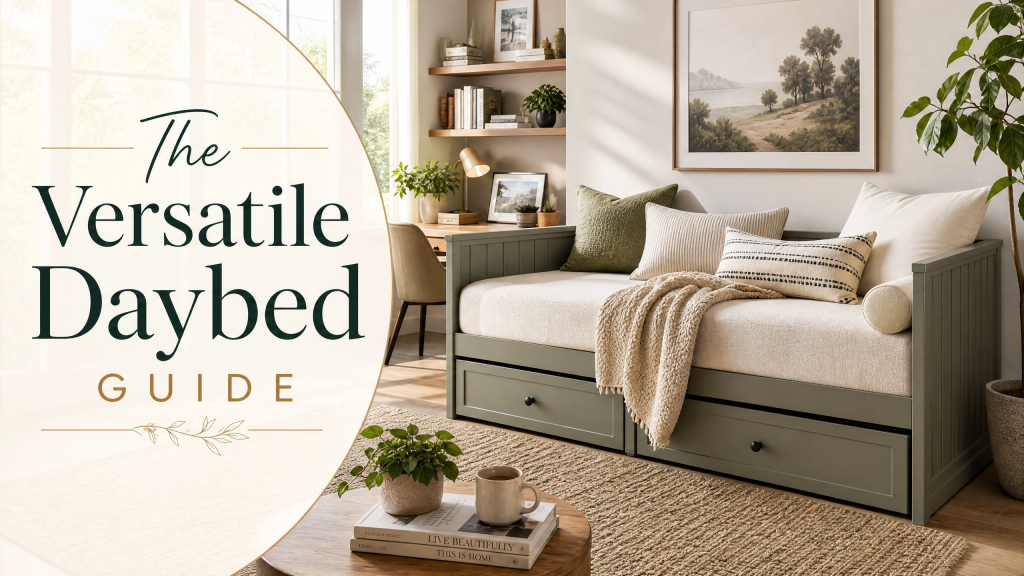
Daybed Guide: The Versatile Furniture Piece Every Home Can Benefit From
In today’s homes, flexibility is more important than ever. Many people are working with limited square footage, creating multipurpose rooms, or simply looking for furniture that offers greater value and functionality. Among all the furniture options available, few pieces can match the versatility of a daybed. Combining the comfort of a bed with the practicality and appearance of a sofa, a daybed is a smart investment for homeowners, apartment dwellers, and anyone who wants to maximize their living space without sacrificing style.
Whether you are furnishing a guest room, creating a cozy reading corner, upgrading a home office, or adding seating and sleeping options to a teenager’s bedroom, a daybed can provide an elegant and practical solution. This comprehensive guide explores everything you need to know about daybeds, from their design and benefits to mattress selection, styling ideas, and maintenance tips.
What Is a Daybed?
A daybed is a unique piece of furniture designed to serve two primary functions: seating during the day and sleeping at night. Unlike a traditional bed, which is typically positioned with only the headboard against a wall, a daybed usually features three enclosed sides—a back panel and two side panels. This configuration creates the appearance of a sofa while still providing the comfort of a standard mattress.
Most daybeds accommodate a twin-size mattress, though larger full-size models are also available. Because they use regular mattresses rather than thin sofa bed cushions, daybeds often provide a more comfortable sleeping experience than traditional sleeper sofas.
The versatility of a daybed makes it ideal for rooms that need to serve multiple purposes. During the day, it functions as a stylish seating area for reading, relaxing, or socializing. At night, it transforms into a comfortable bed for guests or everyday sleeping.
Why Daybeds Are Growing in Popularity
Modern homeowners increasingly value furniture that can adapt to changing needs. As living spaces become more compact and multifunctional, daybeds offer several advantages over traditional furniture pieces.
One major benefit is space efficiency. A daybed eliminates the need for separate seating and sleeping furniture, freeing up valuable floor space. This makes it especially useful in apartments, studios, dorm rooms, and small homes.
Another reason for their popularity is their aesthetic flexibility. Available in countless styles, materials, and finishes, daybeds can complement virtually any interior design theme, from contemporary and minimalist to farmhouse, coastal, industrial, or traditional.
Additionally, daybeds offer excellent value for money. Instead of purchasing both a sofa and a guest bed, homeowners can invest in one piece that fulfills both roles effectively.
Ideal Rooms for a Daybed
Guest Rooms
One of the most common places for a daybed is the guest room. A daybed allows the room to function as a comfortable sitting area when guests are not present while remaining ready to accommodate overnight visitors at any time.
Home Offices
Many people now work remotely and need a home office. However, dedicating an entire room solely to office use may not be practical. A daybed allows the office to double as a guest room without feeling crowded or overly bedroom-like during the workday.
Studio Apartments
In a studio apartment, every square foot matters. A daybed provides daytime seating while serving as the primary sleeping surface at night. This helps maintain a living-room atmosphere during the day rather than making the space feel like a bedroom all the time.
Teen Bedrooms
Teenagers often use their bedrooms as social spaces where friends gather. A daybed offers comfortable seating for hanging out and can easily accommodate sleepovers.
Sunrooms and Reading Nooks
A daybed can transform a quiet corner or sunroom into a relaxing retreat. With soft pillows, cozy blankets, and natural light, it becomes the perfect place to read, nap, or unwind.
Popular Daybed Styles
Metal Daybeds
Metal daybeds are known for their durability and timeless appeal. Designs often feature decorative scrollwork, elegant curves, and vintage-inspired details. These styles work particularly well in traditional, cottage, or romantic interiors.
Wooden Daybeds
Wooden daybeds offer warmth and versatility. Available in finishes ranging from light oak to rich walnut, they complement many decorating styles, including Scandinavian, rustic, farmhouse, and mid-century modern.
Upholstered Daybeds
For those seeking a luxurious look, upholstered daybeds provide exceptional comfort and sophistication. Fabric-covered frames with tufting, nailhead trim, or plush padding create a sofa-like appearance that blends seamlessly into living areas.
Rattan and Woven Daybeds
Natural materials such as rattan, wicker, and cane create a relaxed and inviting aesthetic. These daybeds are perfect for coastal, bohemian, and tropical-inspired interiors.
Choosing the Right Mattress
The mattress is arguably the most important component of a daybed because it must perform well as both a seat and a bed.
Mattress Thickness
Most daybeds work best with mattresses between 5 and 8 inches thick. A mattress that is too thick may overwhelm the frame and reduce the sofa-like appearance.
Firmness Level
Medium-firm mattresses generally provide the best balance between sitting and sleeping comfort. They offer adequate support while maintaining a structured shape during daily use.
Memory Foam
Memory foam mattresses conform to the body and provide excellent pressure relief. They are popular for guest rooms and occasional use.
Latex
Latex mattresses are highly durable and resilient. Their natural bounce helps them maintain shape and support even with frequent sitting and sleeping.
Hybrid Mattresses
Hybrid models combine foam and innerspring technology, offering a balance of comfort, support, and durability.
How to Style a Daybed Like a Sofa
Proper styling can dramatically influence how a daybed looks and functions within a room.
Start with a fitted daybed cover that coordinates with the room’s color palette. This creates a clean, polished appearance and protects the mattress from wear.
Next, place several large pillows along the back rail. These pillows act as sofa back cushions and encourage comfortable lounging.
Add decorative throw pillows in various sizes and textures. Mixing fabrics such as linen, velvet, cotton, and knit materials creates visual interest and depth.
A soft throw blanket draped over one corner adds warmth and completes the sofa-like look.
To transition the daybed for sleeping, simply remove the decorative pillows and add standard sleeping pillows and bedding.
The Benefits of a Trundle Daybed
A trundle daybed includes a secondary bed stored beneath the main frame. When needed, the lower bed slides out to provide additional sleeping space.
This feature is especially valuable for:
- Families hosting relatives during holidays
- Children’s sleepovers
- Vacation homes
- Small guest rooms
- Shared bedrooms
Some trundle systems remain low to the floor, while others feature pop-up mechanisms that elevate the mattress to the same height as the main bed. Certain models can even create a king-size sleeping surface when combined.
For homeowners who frequently host guests but lack a dedicated guest room, a trundle daybed offers exceptional flexibility.
Decorating Around a Daybed
A well-designed room can make a daybed look intentional rather than temporary.
Consider placing a side table next to the daybed for books, drinks, or decorative accessories. A floor lamp or wall-mounted reading light enhances functionality.
Area rugs help define the seating zone and make the space feel more inviting. Artwork above the daybed can visually anchor the furniture and create a focal point.
Plants, decorative baskets, and storage ottomans further enhance the room while providing practical storage for extra bedding and pillows.
Maintaining Your Daybed
To keep your daybed looking and performing its best:
- Rotate the mattress regularly to ensure even wear.
- Vacuum upholstered surfaces and under the frame.
- Wash removable covers according to manufacturer instructions.
- Tighten screws and hardware periodically.
- Use a mattress protector to guard against spills and stains.
- Store extra bedding neatly to keep the room organized.
Regular maintenance can significantly extend the lifespan of both the mattress and frame.
Is a Daybed Right for You?
A daybed is an excellent choice if you:
- Need furniture that serves multiple purposes.
- Want to maximize a small room.
- Frequently host overnight guests.
- Need additional seating and sleeping space.
- Prefer a stylish alternative to a traditional sofa bed.
Its combination of comfort, functionality, and design flexibility makes it one of the smartest furniture investments for modern living.
Conclusion
A daybed is far more than just a bed with decorative sides. It is a highly adaptable furniture piece that can transform the way you use your space. Whether placed in a guest room, home office, studio apartment, teenager’s bedroom, or sunroom, a daybed provides comfortable seating by day and restful sleeping accommodations by night.
With a wide variety of styles, materials, mattress options, and trundle configurations available, there is a daybed to suit virtually every home and design preference. By carefully selecting the right model and styling it thoughtfully, you can create a beautiful, functional space that adapts effortlessly to your changing needs. A quality daybed is not simply a piece of furniture—it is a practical solution for modern living that delivers comfort, versatility, and lasting value.
