
Post
Bedroom Feng Shui: Positioning Your Bed for Harmony and Rest
Jun
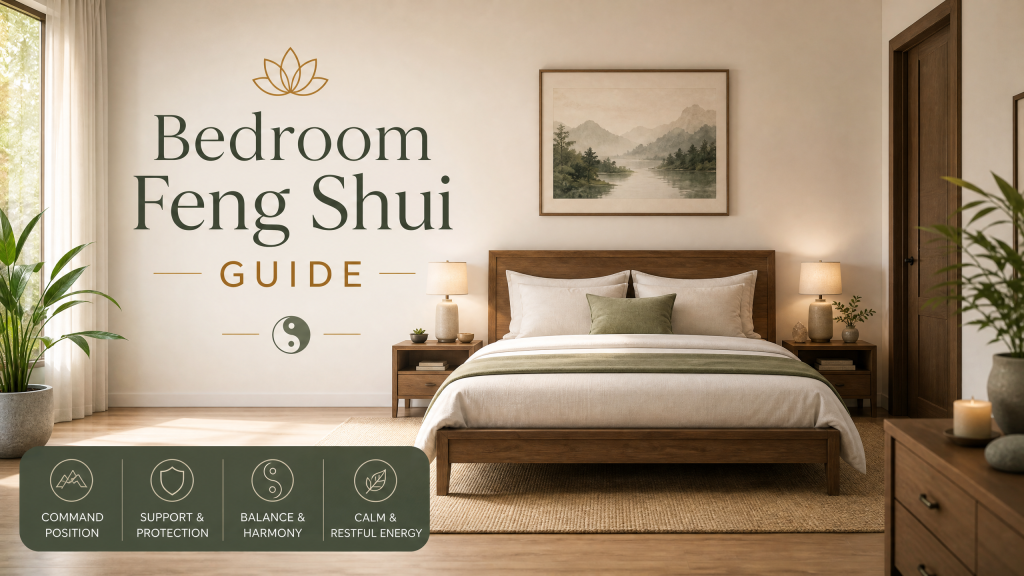
Bedroom Feng Shui: Positioning Your Bed for Harmony and Rest
The bedroom is one of the most important spaces in any home. It is where we rest, recharge, and spend nearly one-third of our lives. Because of its significance, creating a peaceful and supportive bedroom environment can have a profound impact on sleep quality, mental well-being, and overall health. One of the most influential approaches to bedroom design comes from the ancient Chinese practice of feng shui, a philosophy that focuses on arranging spaces to encourage the balanced flow of energy, known as qi.
For thousands of years, feng shui practitioners have studied how furniture placement, room layout, colors, materials, and organization affect the energy within a living space. While some people embrace feng shui as a spiritual practice, many of its recommendations are grounded in practical principles of comfort, psychology, and environmental design. Whether you are deeply interested in feng shui or simply want to create a more relaxing bedroom, understanding how to position your bed according to these principles can help transform your sleeping environment.
This comprehensive guide explores the most important feng shui principles for bedroom design, explains the reasoning behind each recommendation, and provides practical tips for creating a harmonious sanctuary that promotes restful sleep and positive energy.
Understanding Feng Shui and the Bedroom
The term “feng shui” translates roughly to “wind” and “water,” two natural elements associated with movement and flow. At its core, feng shui seeks to create balance between people and their surroundings by arranging spaces in ways that support health, prosperity, relationships, and well-being.
In the bedroom, feng shui focuses primarily on promoting relaxation, security, and emotional balance. Because sleep is essential for physical recovery and mental restoration, the bedroom should feel calm, protected, and free from unnecessary distractions or stress-inducing elements.
Among all bedroom furnishings, the bed is considered the most important because it is where you spend the most time. As a result, bed placement becomes the foundation of good bedroom feng shui.
The Command Position: The Foundation of Bedroom Feng Shui
Perhaps the most well-known feng shui principle is placing the bed in what is known as the command position. This arrangement allows a person lying in bed to see the bedroom door without being directly in line with it.
Ideally, the bed should be positioned diagonally across from the entrance, offering a clear view of anyone entering the room while maintaining a comfortable distance from the doorway. Feng shui practitioners believe this placement provides a sense of control and awareness that helps the mind and body relax.
From a psychological perspective, the command position makes practical sense. Humans naturally feel more secure when they can see entrances and exits. When the door is visible, the subconscious mind does not need to remain alert to potential surprises, making it easier to achieve deeper, more restorative sleep.
If room constraints make the ideal command position impossible, consider using a mirror strategically to reflect the doorway into your field of vision while lying in bed.
Why a Solid Wall Behind the Bed Matters
Another fundamental feng shui recommendation is placing the headboard against a solid wall. This arrangement symbolizes stability, support, and protection.
A sturdy wall behind the bed creates a sense of grounding that can contribute to feelings of security and comfort. In contrast, a bed positioned in the center of a room without support behind it may feel exposed and unsettled.
From a practical standpoint, a solid wall also reduces distractions caused by windows, noise, temperature fluctuations, and exterior light sources. It creates a more controlled sleeping environment that supports uninterrupted rest.
If possible, avoid positioning the headboard against a wall that contains plumbing fixtures from an adjacent bathroom, as noise from pipes can interfere with sleep quality.
The Importance of a Quality Headboard
In feng shui, the headboard represents support in life, including emotional stability, personal relationships, and career growth. A strong and substantial headboard is considered essential for creating a supportive sleeping environment.
Solid wood headboards are particularly favored because wood symbolizes growth, stability, and natural energy. Upholstered headboards are also highly regarded because they provide softness, comfort, and a sense of nurturing.
While metal headboards are acceptable, they are often associated with a more active and energetic quality that may not be as conducive to relaxation as wood or upholstered designs.
Headboards with sharp edges, pointed shapes, or overly aggressive styling should generally be avoided. Softer curves and clean lines promote a calmer atmosphere and more balanced energy.
Bed Positions to Avoid
The Coffin Position
One of the most strongly discouraged arrangements in feng shui is placing the bed directly in line with the bedroom door, with the feet pointing straight toward the entrance.
Known as the “coffin position,” this arrangement is associated with traditional funeral customs in which a body is carried out feet first. Feng shui practitioners believe this orientation can create subconscious anxiety and disturb sleep.
Even without considering symbolism, many people find this placement uncomfortable because they feel exposed to movement and activity outside the room.
Under Ceiling Beams
Sleeping beneath exposed beams is another arrangement often discouraged in feng shui. Heavy beams overhead can create a psychological sense of pressure or weight that may contribute to stress and restlessness.
If relocating the bed is not possible, decorative fabric treatments or ceiling design modifications may help soften the visual impact of the beam.
Directly Beneath Ceiling Fans
Ceiling fans positioned directly above the bed are also considered less than ideal. Constant air movement may create physical discomfort while the rotating blades overhead can contribute to a subtle feeling of unease.
If a ceiling fan is necessary, positioning the bed slightly off-center may help minimize its effect.
Under Large Shelves or Cabinets
Heavy shelving, cabinets, or storage units mounted directly above the bed can create a similar sense of pressure. Feng shui encourages keeping the area above the bed open and unobstructed whenever possible.
Creating Balance Through Symmetry
Balance is one of the central themes of feng shui. In the bedroom, symmetry around the bed is often used to create visual harmony and support healthy relationships.
The most common recommendation is to place matching nightstands on both sides of the bed. Coordinating lamps, accessories, or decorative objects can further reinforce a sense of equilibrium.
For couples, balanced furnishings symbolize equality and mutual support within the relationship. Even for single individuals, symmetrical arrangements contribute to a more organized and peaceful environment.
While perfect symmetry is not always possible, aiming for a balanced visual appearance can significantly improve the room’s overall atmosphere.
Decluttering for Better Energy Flow
One of the simplest and most effective feng shui practices is reducing clutter. Excessive clutter is believed to obstruct the flow of energy and create mental distractions that can interfere with relaxation.
A cluttered bedroom often feels chaotic, making it more difficult to unwind at the end of the day. Keeping surfaces tidy and minimizing unnecessary possessions promotes a calmer and more restful environment.
Under-Bed Storage Considerations
Feng shui practitioners generally recommend keeping the area beneath the bed clear whenever possible. This open space allows energy to circulate freely around the sleeping area.
In smaller homes, under-bed storage may be unavoidable. If storage is necessary, consider limiting it to soft items such as:
- Extra blankets
- Bed linens
- Seasonal pillows
- Lightweight bedding accessories
Avoid storing emotionally significant items, paperwork, electronics, or objects associated with stress beneath the bed.
The Role of Color in Bedroom Feng Shui
Color plays an important role in creating a peaceful atmosphere. Feng shui generally favors calming, soothing tones in the bedroom.
Popular choices include:
- Soft beige and warm neutrals
- Light gray tones
- Gentle blues
- Muted greens
- Soft earth tones
These colors encourage relaxation and create a sense of balance. Bright, highly stimulating colors such as intense reds, neon shades, or overly bold patterns should be used sparingly in sleeping spaces.
Limiting Electronics in the Bedroom
Modern lifestyles often fill bedrooms with televisions, laptops, smartphones, tablets, and other electronic devices. While convenient, these items can interfere with sleep quality and disrupt the peaceful atmosphere feng shui seeks to create.
Electronic devices emit light, noise, and mental stimulation that may make it more difficult to fall asleep. Feng shui encourages minimizing electronics in the bedroom or at least keeping them out of direct sight while sleeping.
Creating a technology-free sleeping environment can help support deeper rest and improved overall well-being.
Incorporating Natural Elements
Natural materials and elements can enhance the feeling of harmony within the bedroom. Wood furniture, natural fabrics, soft textures, and carefully selected decorative pieces help establish a connection to nature.
Plants may also contribute positive energy, though opinions vary regarding their placement in sleeping areas. If using plants, choose healthy varieties and avoid overcrowding the room with excessive greenery.
Natural light during the day and proper ventilation further support a balanced and refreshing environment.
Designing a Bedroom That Supports Rest
Beyond specific feng shui guidelines, the ultimate goal is creating a bedroom that feels safe, comfortable, and inviting. A supportive mattress, quality bedding, appropriate lighting, and thoughtful furniture placement all contribute to better sleep and greater well-being.
When evaluating your bedroom, pay attention to how the space makes you feel. Small adjustments such as repositioning the bed, reducing clutter, or improving symmetry can often create noticeable improvements in comfort and relaxation.
Conclusion
Bedroom feng shui offers a timeless approach to creating a harmonious and restorative sleeping environment. By placing the bed in the command position, ensuring solid support behind the headboard, maintaining balance and symmetry, reducing clutter, and avoiding common placement mistakes, you can create a space that promotes both physical rest and emotional well-being.
Whether you view feng shui as a traditional philosophy, a design framework, or simply a collection of practical recommendations, its principles can help transform your bedroom into a peaceful sanctuary. A thoughtfully arranged bedroom not only looks beautiful but also supports deeper sleep, reduced stress, and a greater sense of harmony in daily life.
Explore our collection of premium bed frames, headboards, and bedroom furniture designed to help you create a balanced, comfortable, and stylish sleep environment inspired by the enduring wisdom of feng shui.
